
Detailed Harvesting of Organic Green Tea from the Hills of Nagaland
Nagaland, a verdant state in Northeast India, is emerging as a hub for organic green tea production. Its misty hills, pristine environment, and indigenous farming practices create an ideal setting for cultivating high-quality tea that is both sustainable and flavorful. This document provides a comprehensive overview of the harvesting and processing of organic green tea in Nagaland, highlighting its unique characteristics, cultural significance, and sustainable practices.
The Terroir of Nagaland
-
Geography and Climate: Tea gardens are situated at 1,000–2,000 meters, benefiting from cool temperatures (15–25°C), high humidity, and annual rainfall of 1,500–2,500 mm. The misty hills shield plants from harsh sunlight, enhancing flavor development.
-
Soil: The loamy, well-drained soil, rich in organic matter, supports healthy tea plants without synthetic inputs.
-
Pristine Environment: Nagaland’s minimal industrial activity ensures clean air and water, ideal for organic farming.
Organic Cultivation
Organic green tea production in Nagaland avoids chemical inputs, adhering to standards like NPOP (India) and USDA Organic:
-
Soil Fertility: Farmers use compost, cow dung, and green manure (e.g., legumes) to enrich soil naturally.
-
Pest Management: Neem oil, companion planting, and manual pest removal maintain plant health while preserving biodiversity.
-
Intercropping: Tea gardens incorporate native plants, fostering a balanced ecosystem and supporting pollinators.
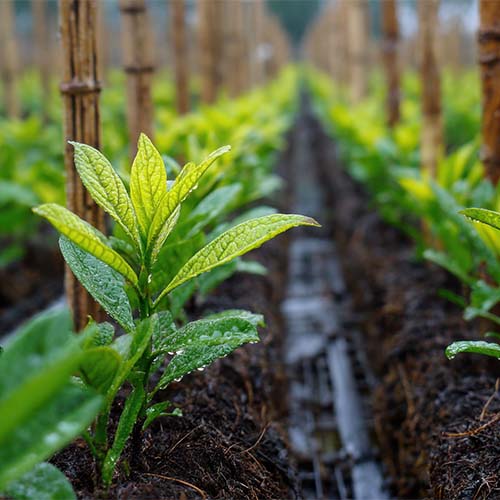
Harvesting Process
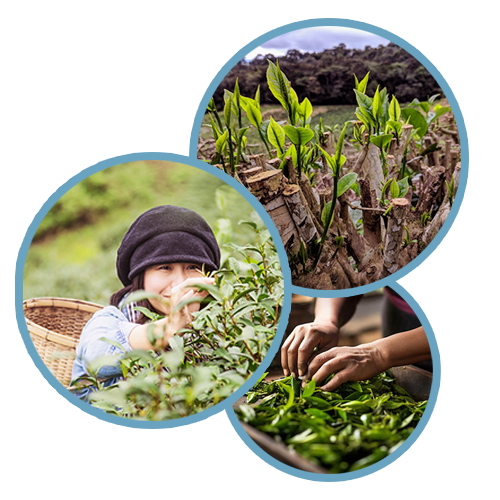
Harvesting is a meticulous, labor-intensive process carried out by local tribal communities:
Timing:
-
-
First Flush (March–April): Yields tender, delicate leaves with a light, floral flavor.
-
Second Flush (May–June): Produces bolder, more robust tea.
-
Monsoon and Autumn Flushes: Offer unique flavors influenced by seasonal conditions.
-
Harvesting occurs early in the morning to capture fresh, dewy leaves.
-
Hand-Picking:
-
-
-
Workers select the top two leaves and a bud, ensuring premium quality.
-
Older leaves are avoided to maintain flavor and antioxidant content.
-
Bamboo baskets or breathable sacks are used to prevent wilting during transport.
-
-
Transport: Leaves are quickly moved to processing units to preserve freshness.
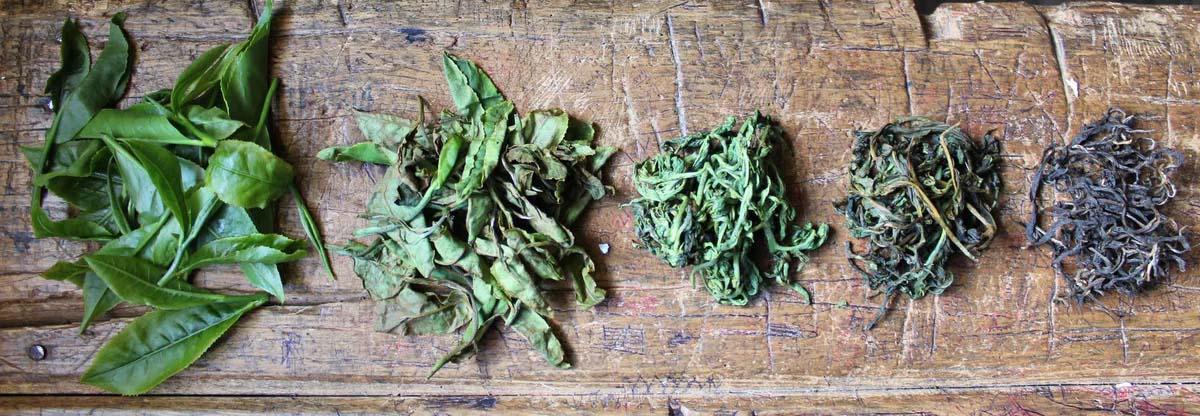
Processing Organic Green Tea
Minimal processing retains the tea’s green color and health benefits:
Withering: Leaves are spread out for 4–6 hours to reduce moisture.
Fixation: Steaming or pan-firing halts oxidation, preserving the green hue and grassy flavor.
Rolling: Hand- or machine-rolling shapes leaves and releases natural oils.
Drying: Leaves are dried to achieve a moisture content of ~3%, ensuring shelf stability.
Sorting: Leaves are graded based on size and quality, with whole leaves fetching the highest value.
Unique Characteristics
-
Flavor: Fresh, grassy, with floral or nutty notes and mild astringency.
-
Appearance: Vibrant green dry leaves; light golden-green liquor when brewed.
-
Health Benefits: High in catechins (e.g., EGCG), supporting immunity, metabolism, and heart health.
Cultural and Economic Significance
-
Indigenous Role: Tribes like Ao and Angami lead tea cultivation, preserving traditional knowledge.
-
Economic Impact: Small-scale gardens support rural livelihoods, especially for women.
-
Market Growth: Organic certification and export potential are boosting Nagaland’s tea industry.
Challenges
-
Limited infrastructure and market access.
-
Need for greater awareness and investment in processing facilities.
Future Prospects
Government and NGO initiatives are promoting organic tea through training, certifications, and market linkages. Rising global demand for organic products positions Nagaland’s green tea for growth.
Nagaland’s organic green tea is a testament to sustainable farming and cultural heritage. From hand-picked leaves to carefully processed tea, it offers a pure, flavorful experience that reflects the region’s pristine hills and indigenous wisdom.